


In March of 2020, COVID-19 unexpectedly shook the world. School closures and shelter-at-home mandates have increased incidences of sexual violence worldwide. At Freely in Hope, we are responding to the socioeconomic impact by being attentive to the needs of our community and pursuing our mission of ending sexual violence in all the ways we can.
Support our COVID-19 Relief Fund

CARING FOR OUR STAFF
We are caring for our 12 international staff and their families by maintaining full wages, training on health and sanitation, and providing additional funds for wifi and food in order to support their work from home. In Kenya, we have been facilitating daily devotionals where we support one another emotionally and spiritually. In Zambia, we have continued to hold meetings and offer meaningful support as we pour into the community. Especially as anxiety is at a climax, we are conducting weekly global staff calls where we come together in prayer, and discuss how we can implement new practices. We recognize that wisdom is within the team and that collaborative efforts are crucial.
PROVIDING FOOD FOR FAMILIES
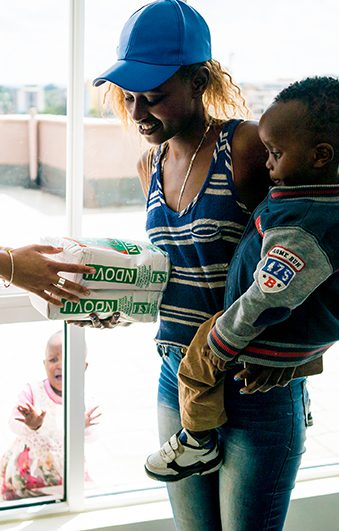
Our social workers have been providing food for our scholars’ families which will reduce risk to exploitative work. Due to schools being closed in Kenya and Zambia, our scholars are pressured to find ways of supporting their families, but food provision will help our 27 scholars study from home safely. Because of the stay-home mandate, child abuse is more prevalent. In cases where home is unsafe, scholars are relocated to a secure environment with oversight, where our team is making sure that the girls are supported emotionally and academically.

STRENGTHENING ACADEMIC SUPPORT
We are utilizing innovative ways to strengthen academic support through mobile technology, on-call tutors, revision books, and learning guides. Our staff and counselors are checking in on their progress on a regular basis. We have purchased phones for our high school scholars so that they can learn through mobile technology. We are also thinking of hosting weekly academic gatherings with a private tutor, and having our social worker and therapist make calls to facilitate multiple touch points throughout the week.